Advertisement

Editor, October 14, 2026
12
3 min(s) read
Advertisement
Precious Nwonu, Enugu
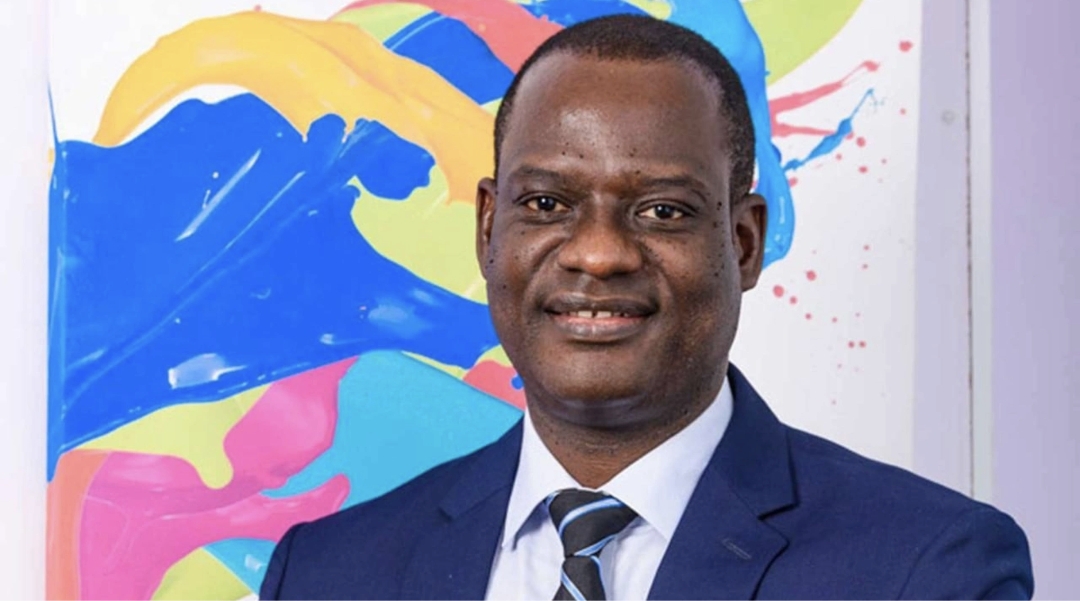
The Minister of Finance, Taiwo Oyedele, has warned African governments against imposing additional taxes on vulnerable citizens and productive businesses to address fiscal challenges, saying such measures could worsen hardship and undermine economic growth.
Oyedele also called for stronger policy coordination among African countries to remove trade barriers and maximise the benefits of the African Continental Free Trade Area.
He made the remarks during discussions at the Annual Meetings, where he addressed taxation, economic reforms, employment, development financing and regional trade integration.
The minister said governments should focus on improving domestic revenue mobilisation and eliminating inefficient expenditure rather than introducing tax measures that place additional pressure on low-income households and businesses.
According to him, excessive taxation could leave vulnerable families with fewer resources for essential needs, including food, healthcare and education, while placing pressure on businesses that generate jobs and economic activity.
He noted that both taxation and borrowing had consequences, adding that governments needed to strike a balance that ensured sustainable public finances without compromising citizens’ welfare.
“The essence of tax and of debts is to cater for the people. If you put people always at the centre of your policies, you will not be perfect, but you are likely to strike a balance that works and is sustainable,” he said.
Oyedele also stressed that economic growth should be measured by its ability to create jobs, promote inclusion and improve living standards rather than by macroeconomic indicators alone.
He warned that the growing adoption of artificial intelligence could affect employment opportunities if governments failed to develop appropriate policies to manage its impact.
The minister said economic stability remained essential for sustainable growth, investment and prosperity, noting that governments needed a stable foundation to implement structural reforms and infrastructure programmes.
On regional integration, Oyedele said the AfCFTA offered African countries an opportunity to combine their fragmented national markets into a larger continental market capable of attracting investment, expanding production and boosting trade.
He, however, warned that the agreement would achieve limited results unless governments addressed barriers to cross-border commerce, particularly non-tariff restrictions.
“The AfCFTA is trying to turn 54 countries into one market, so that way it’s easy for us to scale. But that will not happen until we remove the barriers, and many of them are actually non-tariff,” he said.
Oyedele explained that effective implementation required consistent regulations, clear standards, supporting infrastructure and coordinated economic policies across the continent.
He cited Nigeria’s National Single Window initiative as an effort to simplify border procedures and improve trade facilitation through technology.
The minister also disclosed that Nigeria was developing an economic policy framework that incorporates its international commitments, including regional agreements.
He said differences in trade, fiscal and monetary policies among African countries could make regional integration difficult, stressing the need for governments to align their approaches.
Oyedele further identified policy consistency, strong institutions and public trust as essential conditions for attracting private investment to Africa.
“Capital follows trust before it follows returns. They need to be able to plan and predict what you are going to do,” he said.
Reflecting on Nigeria’s economic reforms, he said governments must clearly explain policy changes, communicate the consequences of inaction and implement reforms in the right sequence.
He argued that reforms should be supported by legislation and strong institutions to ensure continuity beyond changes in political leadership.
Oyedele also emphasised the need to protect vulnerable citizens from the immediate effects of economic adjustments while waiting for the benefits to materialise.
He cited cash transfers reaching more than 10 million households and education funding supporting over 1.5 million students as examples of measures introduced to cushion the effects of reforms in Nigeria.
The minister maintained that sustainable economic progress depended on combining macroeconomic stability with inclusive growth, reliable institutions, social protection and stronger regional cooperation.
It takes a lot to get credible, true and reliable stories.
As a privately owned media outfit, we believe in setting the pace and leaving strides in time.
If you like what we do, you can donate a token to us here. Your support will ensure that the right news is put out there at all times, reaching an unlimited number of persons at no cost to them.
Comments expressed below by readers do not reflect the opinions of Pacesetter Frontier Magazine or any employee thereof.
Advertisement
Leave your reply!